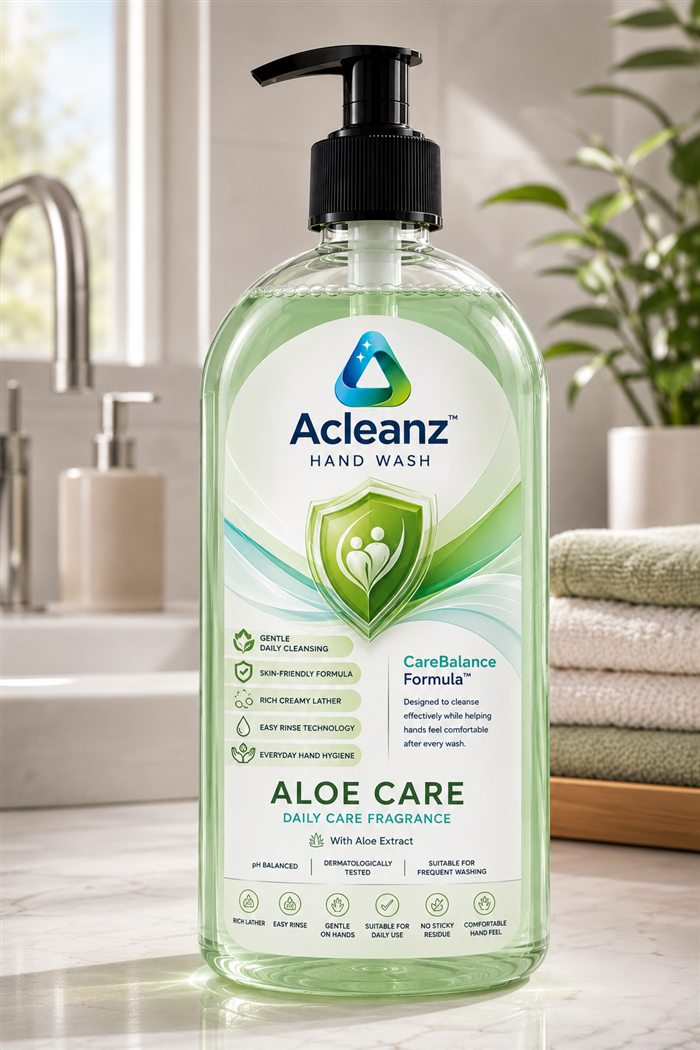
“Green” is not a complete specification. A plant image, a fresh fragrance or a recyclable bottle can be positive, but none of them tells you whether the product is suitable for your surface, concentrated correctly or safe in the way you plan to use it.
Read the functional label
Look for intended surfaces, dilution instructions, contact time, hazard statements and storage requirements. A concentrated commercial product may use less packaging per clean, but only if staff have accurate dosing equipment and training.
Avoid assuming that “natural” means harmless. Acids can etch stone, essential oils can affect sensitive users, and even familiar household ingredients can become unsafe when mixed.
Understand what matters
Transparent ingredient and safety information helps buyers compare options. Consider fragrance level, volatile ingredients, biodegradability claims, pH and whether the formulation is appropriate around children, pets or food-contact areas.
- Prefer products with clear instructions and accessible safety documentation.
- Choose the least aggressive formulation that reliably performs the task.
- Avoid unverified germ-kill claims or vague “chemical-free” language.
- Never mix products unless the manufacturer explicitly instructs it.
Look beyond the liquid
Packaging size, refill systems, transport distance and dispensing design all influence waste. A durable trigger sprayer paired with a refill can be better than repeatedly buying small bottles. For facilities, closed-loop dosing may reduce spills and overuse.
Improve the cleaning process
Product choice is only half the story. Microfibre systems, effective dust removal, correct dwell time and targeted application often reduce the amount of chemistry needed. Preventing soil at entrances and cleaning spills promptly can lower the need for aggressive periodic treatment.
Five questions before buying
- Is it designed for this exact surface and soil?
- Are use, dilution and safety instructions clear?
- Can the environmental claim be independently supported?
- Will the packaging and dispensing system reduce waste?
- Can the team use it consistently and safely?
A thoughtful answer to those questions is more valuable than any single green symbol on the front label.